WEAVING A KAKAHU
By Diggeress Rangituatahi Te Kanawa
In the foreword of this tutorial book, the author readily admits to having a love of harakeke (flax) and an ongoing fixation with weaving. In its third edition, this book provides an easy-to-follow guide for weaving a kakahu as intended.
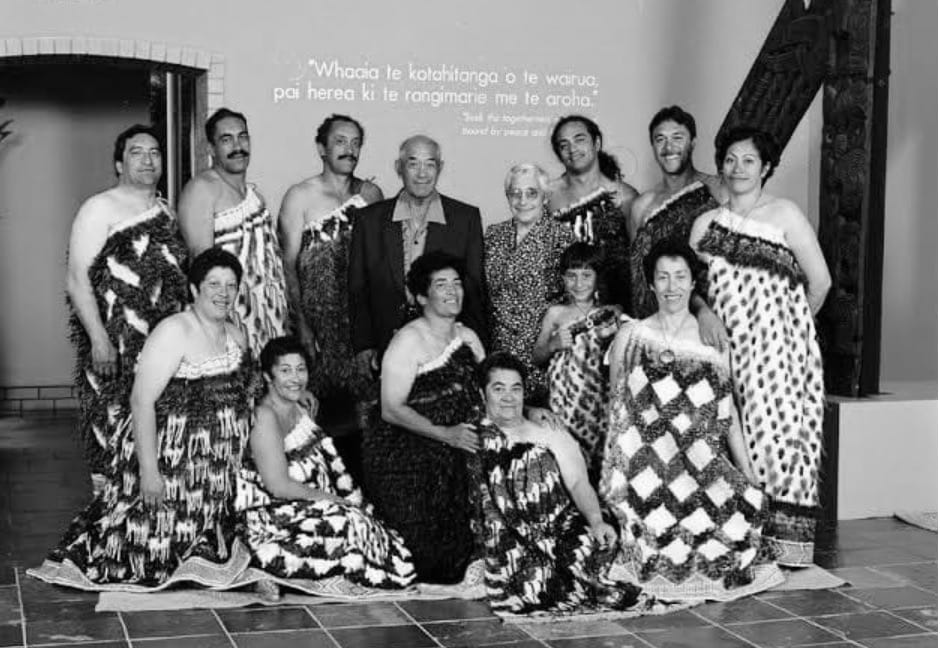
On the dawn of the new millennium, 2000, Diggeress gifted 11 of her 12 children a kakahu. A son had already been gifted a kiwi kākahu from his grandmother, Rangimarie Hetet.
She also shared a simple but impactful message with them.
"These are as much for you as they are for my mokopuna"
ABOUT THE AUTHOR
Dr Diggeress Rangituatahi Te Kanawa (1920- 2009)
Diggeress Rangituatahi Te Kanawa, Ngāti Maniapoto, was born in Te Kuiti to Rangimārie (née Hursthouse) and Tūheka Hetet. As a very sick child, she was schooled at home, where her mother, weaver Rangimārie Hetet, taught her how to harvest flax, prepare flax fibre, and weave. Like her mother, she was a perfectionist in the art and as she grew older, she also became a skilled dressmaker, having trained as a Tailor’s assistant.
At 20, Diggeress married Tana Te Kanawa, and together they raised 12 children, and in spite of her busy home life, she continued to dressmake and weave.
A dedication to weaving with natural materials would become her signature commitment to tradition while maintaining a focus on quality. Diggeress also liked to experiment with design and techniques, which have no doubt influenced others along the way. Heeding the call of The Maori Women's Welfare League in the early 1950s, Diggeress and her mother, as well as others from their iwi, embarked on teaching others the art of traditional Māori weaving.
Diggeress was a founding member of Aotearoa Moananui a Kiwa, the first national Māori and Pacific weavers' organisation, formed in 1983 and travelled internationally with fellow weaver and close friend Emily Schuster (Te Arawa) to research cloaks in overseas museums.
In 2000, Diggeress was awarded a Companion of the New Zealand Order of Merit, and in 2007, she received an Honorary Doctorate from the University of Waikato.
And in an intimate ceremony, on the dawn of a new millennium, she gifted a kakahu to each of her 12 children, a task that spanned 20 years. Interestingly, the design of each kakahu is based on each recipient’s personality.
WEAVING LEGACIES
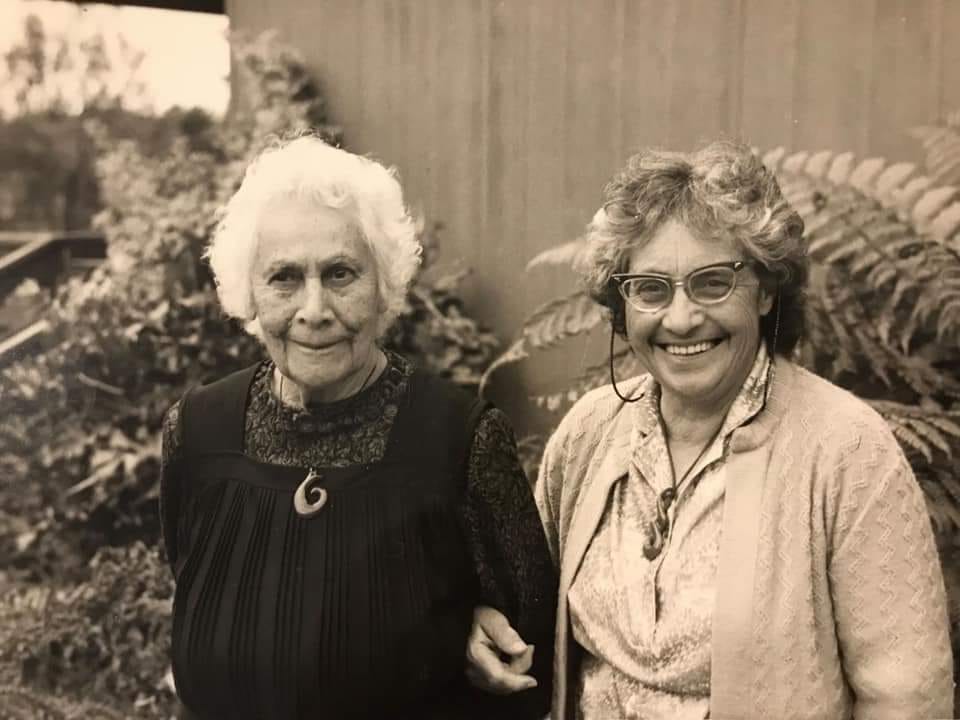
Rangimarie Hetet and Digger Te Kanawa
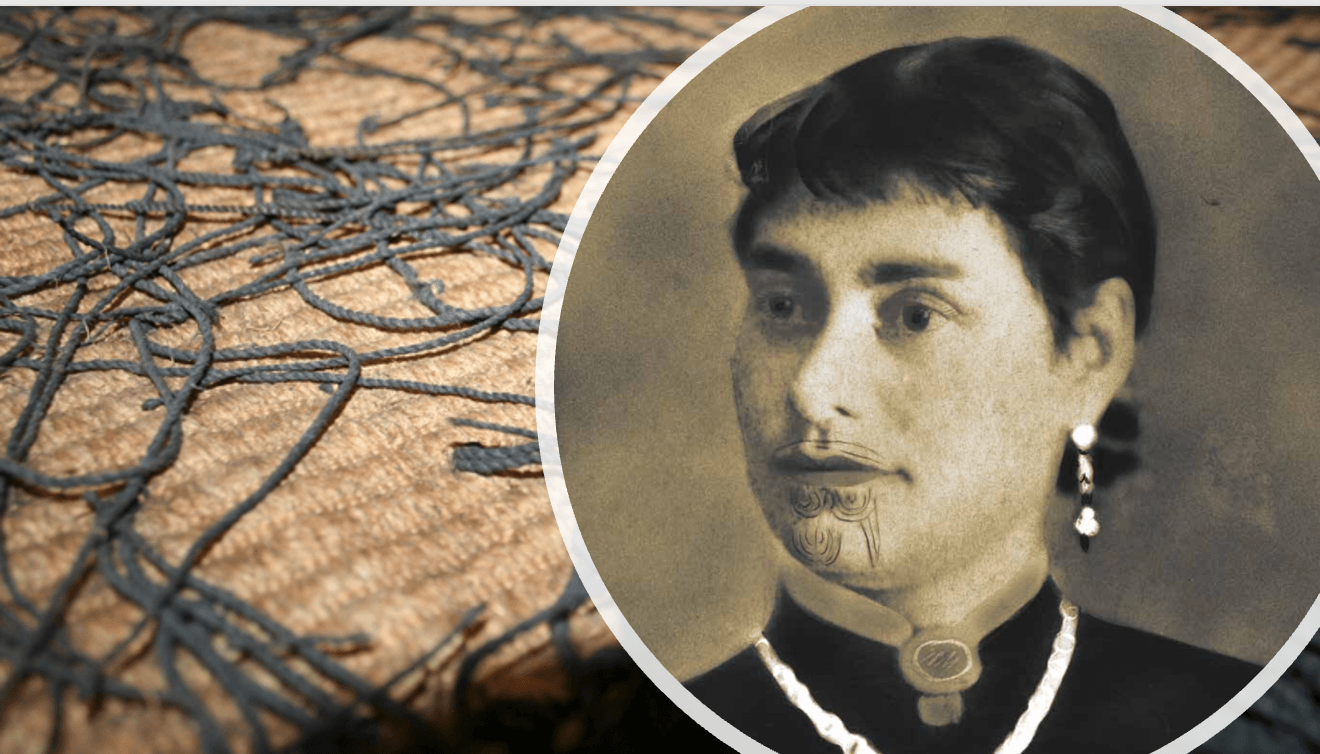
Te Rongopamamao is Rangimarie's mother and the eldest weaver to the Hetet-TeKanawa Collection at the Museum of Waikato..
The Hetet-Te Kanawa Collection is arguably the largest private collection of raranga in the world, from one family over five generations
Dame Rangimarie Hetet (1892- 1995)
E Ngā Uri Whakatupu
The title for the 2015 exhibition at Waikato Museum was taken from a waiata composed by Dame Rangimarie Hetet. She gave the words of this composition to the children of Te Kura Kaupapa Māori o Ōpārure near Te Kuiti - now te Wharekura o Ngāti Maniapoto. Her aunt Te Mihinga Joseph donated the land for the school in 1903. Rangimarie’s lifelong aspirations included her hope for future generations to hold fast to their Māoritanga.
The exhibition paid tribute to the life achievements of Dame Rangimarie Hetet (1892-1995) and her daughter Diggeress Rangituatahi Te Kanawa (1920-2009), who are both respected and acknowledged as New Zealand’s finest traditional Māori weavers of the modern era.
“Taku mōhio kare e mate inaianei i ngā whāwhā a ngā mea katoa o ō tātou tupuna. Kua kaha rawa te haere i ngā tahataha o Aotearoa. No reira, te tūmanako ki a koutou, e ngā uri whakatupu, kia kaha koutou, kia ngākau nui koutou ki te pupuri i ēnei mahi. Kāre hoki e ngaro, ka mau i ā koutou.”
“I know that it will not die out now, the weaving of our ancestors. It’s going really strong all over Aotearoa. My hope is that you, the next generation, will be strong and really determined to preserve these arts. It will not be lost if you hold on to it.” (Rangimarie interview with Waikato Museum staff, 1987.) Read More HERE
Rangimārie Hetet was made an MBE in 1973 and a CBE in 1984. She received the Queen Elizabeth II Arts Council of New Zealand fellowship in 1974.
In the same year, Rangimarie participated in the Māori Artists of the South Pacific show. This was followed by an exhibition at the prestigious Renwick Gallery, Smithsonian Institution, Washington DC, in 1985.
In 1986, Rangimārie participated in an exhibition entitled Women and the Arts in New Zealand. As a centenarian, she was made a life member of the New Zealand Academy of Fine Arts. She also had work included in the Te Waka Toi contemporary collection, which toured the United States in 1992–93. She was represented in exhibitions at Te Taumata Art Gallery in Auckland and, in 1994, the Museum of New Zealand Te Papa Tongarewa.
In 1986, she was granted an honorary doctorate by the University of Waikato, and in 1992, she was made a DBE and received the Governor General’s Art Award from the New Zealand Academy of Fine Arts.